Wednesday, February 17, 2016

4 Reasons To Celebrate National Drink Wine Day


Punch Bowl Cards
Tomorrow, February 18, is National Drink Wine Day in the U.S. It’s an annual celebration that gives us a chance to tout the health benefits of wine, pay tribute to wine’s enhancement of food and lifestyle, and provides the perfect reason to enjoy a glass. Here are four reasons to get your wine happy on tomorrow.


1) Wine Provides Health Benefits
A glass of wine a day has been proven to increase heart health, help in weight reduction, boost immunity, decreases blood clots and reduce forgetfulness.

2) Wine Is Popular
Wine is very popular in the U.S. with two-thirds of the population reporting that they drink occasionally, and 40% say they take at least one drink a week. The top five wine drinking states are the District of Columbia, New Hampshire, Vermont, Massachusetts and New Jersey.


3) You Have a Special Bottle Waiting
You probably already have some wine stashed away for a special occasion. Well, today’s the day. Grab that bottle you’ve been waiting to try and enjoy it tonight.


4) It’s Time To Spread the Love
Wine has played a part in our lives for more than 6,000 years. We’ve used it to mark those occasions of historical and life significance; we toast christenings, baptisms, and other religious events with it, and we share a bottle for special days like anniversaries, birthdays and holidays.

You can celebrate the day with a glass of red or white, sweet or dry. The main point is to simply enjoy a glass of vino! If you’re located a larger city, check out Local Wine Events to see what’s planned, or keep up with events on the Drink Wine Day FaceBook site.

There are over a dozen days designated for wine celebrations this year, including Mulled Wine Day on March 3, Malbec World Day on April 19, National Moscato Day on May 9, National Chardonnay Day on May 23, National Wine Day on May 25, National Cabernet Day on August 29, and National Champagne Day is December 31.  


So raise your glass in a toast to National Drink Wine Day, and to Robert Louis Stevenson who noted that “Wine is bottled poetry.” Indeed, it is!

~ Joy

Wednesday, February 3, 2016

Ten Wine Pours For National Snack Month


February is National Snack Month and, yes, there are some wines that will pair quite nicely with snack foods. (OK, junk foods.) Just remember, the wine should be at least a step above the quality of the snack.

 
Cabernet Sauvignon and a 
Snickers bar. Or a Pay Day. It’s that combo of salty nuttiness and a nice tannic Cab that will make your mouth beg for more.


Zinfandel and dried jerky. That meaty, peppery flavor melds well with a hearty Zin. You can even throw in some spicy jerky because the wine’s low tannins will work some magic with these flavors.

Merlot and Hershey’s Kisses. You can opt for milk chocolate or dark chocolate kisses, even the caramel ones would be worth a try. Regardless, you’ll enjoy a sweet and smooth indulgence.

Pinot Noir and a Milky Way bar. When those jammy pinot flavors meet that gooey, chocolaty, caramel bar, there’s only one word to describe it. WOW!

Chardonnay and a soft pretzel. Grab one at the mall and reheat, or freshly bake one at home. Then add that gooey cheddar cheese for dipping, and no one will ever accuse you of being a wine snob.

Riesling and Twinkies. The fruity flavors of a slightly sweet Riesling paired with that classic yellow, spongy, creamy filled cake will make you glad Twinkies had such a sweet comeback.

Pinot Grigio and cheddar crackers. They’ve both been around for a while. Pinot Gris grapes date back to the Middle Ages, while Cheez-Its Cheese Crackers were invented in 1921 in Dayton, Ohio. Goldfish Cheddar crackers were developed in Switzerland in 1958, and Annie’s Cheddar Bunnies (my favorite) have been hopping onto our snack trays since 1989. Take your choice, the flavors are tasty.

Moscato and glazed donuts. This is a match made in heaven. Just try it.

Champagne and French fries. A sparkling wine is perfect with salty foods like fries, potato chips, or hash browns for Sunday brunch. The wine’s acidity and bubbles keep the palate free of greasiness and emphasize that tasty tater flavor.

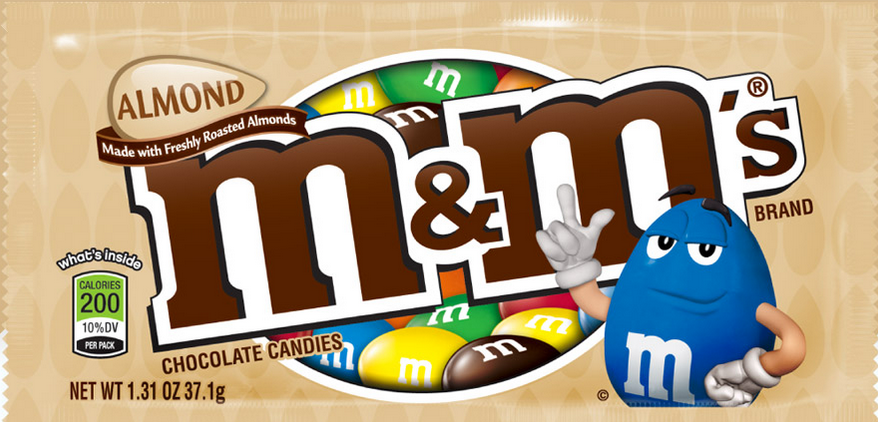
Tawny Port and Almond M&Ms. That smooth, nutty caramel flavor meshes well with the hard shell candy coating that encases chocolaty, almond goodness.

Now that should get you in the mood for celebrating National Snack Month. And if you find an interesting wine/snack combo, let me know.

~ Joy

Wednesday, January 27, 2016

4 Tips for Scoring Great Wines On The Cheap


As with anything else, the price of a bottle of wine is subjective. In other words, "what the market will bear." That means that you can find an enjoyable bottle of wine without breaking the bank because higher prices do not guarantee a great wine. (They do guarantee a great advertising budget, though.)

Consider these tips next time you’re shopping for a nice bottle of wine on the cheap.

What’s In A Name
Many times wine drinkers identify themselves with a grape (I’m a Cab drinker; I love Chards; Pinot Grig is my “go to.”) But keep in mind that some of these grapes go by other names.

Muscat Grapes
Take the extremely popular Moscato. Regardless of what you call it,  Muscat (same grape) or Moscadelle (different grape, very similar flavor), that wine will provide those characteristics you love about Moscato, but at a cheaper price.

Other name changing examples include Rioja - Tempranillo. Rioja is actually the region where Spanish Tempranillo (the grape) is grown. But you’ll find wines labeled by either name. And we all know real Champagne only comes from France, but in Spain that bubbly beverage is called Cava, and it’s known as Cremant in France. In the U.S., we just ask for a sparkling wine.

Travel Off the Beaten Track
Lake Erie Wine Region
The holy trinity of wine-producing states in the U.S are California, with Sonoma and Napa Valley; Oregon, which has the Willamette Valley, and the New York Finger Lakes. But there are great wineries located in all 50 states. Explore some up-and comers in the Texas Hill Country; check out Lake Erie’s Wine Region, and don’t miss spending time in Loudon County, Virginia. Great wines, beautiful regions and lower prices.

Check Out The Neighbors
Wines crafted from grapes grown in highly revered wine regions (Think Italy’s Piedmont, or the Burgundy region of France.) come with a price. But you can enjoy these exquisite terroir-focused wines at a much cheaper price when you purchase from small, local wineries in that same region.

Private Labels
For some ridiculously cheap wines that are actually good, look for the private brand offered at your local chain grocery. Trader Joe’s made a name with their Charles Shaw brand almost 15 years ago, selling a bottle for $1.99. (Today the wine goes for an average of $2.49 a bottle.) The chain sells over 5 million cases of Two Buck Chuck per year; not bad for a wine that goes well with dinner.

Not to be outdone, Aldi, the global discount supermarket chain, offers their Winking Owl line, which always garners awards, at the tempting price of just under $3 a bottle. And Walmart sells a private label wine called Oak Leaf Vineyards for $2.97 a bottle.

Next time you’re wine shopping, take a chance on an inexpensive wine and see what develops!

~ Joy

Wednesday, January 20, 2016

The Calorie Content in Alcohol: Do We Really Want To Know?


A few years ago, consumers who were “counting calories” sent up a plea to the Food and Drug Administration that wine, beer and other alcohol products list the number of calories per serving on the label.

With the arrival of 2016, over 20 restaurant chains have complied. According to the Food and Drug Administration’s ruling, the amount of calories in alcoholic drinks must be listed long with other foods on the menu. But there are a few exceptions.

If you order a drink from the bar menu, you can escape “calorie guilt” because those menus are not required to list the calories. Neither are wine lists. And so far, most bottles and cans of adult beverages do not come with a full list of nutritional information.

The FDA is permitting restaurants to estimate the number of calories in that glass of Cabernet Sauvignon, Long Island Iced Tea, or mug of beer since it would be very difficult to list the current caloric number for every wine, beer and mixed drink out there.

After all, each wine vintage and varietal is different just as every craft brew is styled in a different manner. While bartenders mix drinks from a basic recipe, many add or subtract an ingredient putting their own regional spin on a libation. How do you possibly account for the exact calorie count in every variation, each new harvest, and every new batch of spirits? 

It seems that broad, generalized calorie labels may be the best the FDA and consumers can hope for. With that in mind, here are a few generalized caloric numbers from the USDA to keep in mind next time you order your favorite wine.

Cheers!

~ Joy


Wednesday, January 13, 2016

A Look Back at the Food and Drink of 1916


Piggly-Wiggly
What a difference a century can make! In 1916, J.L. Kraft received his first patent for making process cheese; the first electric refrigerators went on sale for the whopping price of $900, and the first self-serve Piggly-Wiggly supermarket opened in Memphis, Tennessee.

Dining Out
Dining out was just coming into vogue during this time. According to the Food Administration, more food was being served and eaten in restaurants than in homes. Courtship etiquette was changing; now a single working woman could meet a man at a restaurant for an afternoon or evening out. Hotel restaurants, lunch counters and tea rooms were popular places to enjoy a meal.

Menu items seldom seen on a modern dining list included consommé, turtle soup, sweetbreads, paupiette of sheep’s head, mutton, fricassee of chicken and venison along with Delmonico pudding, Indian pudding, and bisque ice cream for dessert.

Snacks and street food could be found in larger cities. Vendors with pushcarts or horse-drawn wagons sold freshly roasted peanuts or ice cream.


Classic Cocktails
The attitude against drinking was rapidly spreading across the country. Restaurants quickly crafted menus sans alcohol, offering instead tea, coffee, milk and "punch."

Those restaurants and hotels that continued to cater to the “drinking crowd” upped the ante and began serving cocktails with glamorous names. Here are just a few that were all the rage during 1915-1916. 

Aviation Cocktail
In celebration of manned flight, the Aviation Cocktail was created by Hugo Ensslin, the head bartender at the Hotel Wallick in New York in 1916. Ensslin made it with lemon juice, gin, Crème do Violette (which created the adored violet color), and maraschino over ice.


Dry Martini
The Dry Martini was crafted in the early 20th Century, so the story goes, at the Knickerbocker Hotel in New York. Popular variations now include the Dirty Martini and the Vodka Martini.


French 75
The French 75 cocktail’s origins date back to 1915 at the New York Bar in Paris. Bartender Harry MacElhone mixed together gin, Champagne lemon juice and sugar for a drink that imbibers said kicked like a French 75mm field gun. Later variations of the drink used cognac instead of gin to make it more French.


The Alexander
Hugo Ensslin also crafted the Alexander cocktail abound 1915 using gin, crème de cacao and sweet cream. The well-known Brandy Alexander was an offshoot from his original recipe.


If you were ordering an alcoholic drink from a restaurant menu, the choices were usually limited to beer, wine punch, or Champagne. But cigars and cigarettes were given specially appointed places on some menus.

My how times have changed, but it makes you wonder, what will menus include, and omit, in 2116?

Cheers!

~ Joy

Wednesday, January 6, 2016

16 Wine Trivia Questions in Honor of National Trivia Day


National Trivia Day was Monday, January 4, but I just couldn’t pass up the chance to delve into some wine trivia as a way to celebrate the New Year.

Test your wine knowledge and see how many of the answers you know.

Amphora
1. When were the first wines produced?       
       
Around 6600 B.C.

2. In the ancient world, what type of vessel held wine?         
An amphora

3. How long does it take for a grapevine to produce grapes?

Three to five years 


4. How many grapevines make up an acre?  

Around 400

Grapevines
5. One ton of grapes will make how many cases of wine?    
 
Around 60 cases or 720 bottles

6. How many grapes are in a bottle of wine?

600 – 800 grapes


7. How much wine is in a single barrel?   
              
60 gallons, 25 cases or 300 bottles

Grapes
8. How many pounds of grapes does one bottle contain?     

About 2.8 lbs


9. A vintage wine is crafted from how many year’s harvests? 

One year

10. A non-vintage wine includes grapes from how many harvests? 

Two or more years blended together

Corkscrew Patent
11. When was the corkscrew first patented?

1795 in England

12. What temperature should white wine be served at? 

49-55º Fahrenheit

13. What temperature should red wine be served at?  

60-68º Fahrenheit

14. How many calories are in a 5 ounce glass of dry red wine?

About 110

15. What is the difference between a sparkling wine and Champagne?

Sparkling wine is any effervescent wine not grown in the Champagne region of France.

16. What are the top three U.S. states for wine consumption?        

California, New York, and Florida

Alright, you've earned a glass of wine.  Cheers to the New Year!

~ Joy